Sciatica Treatment
Best Sciatica Treatment in Pune
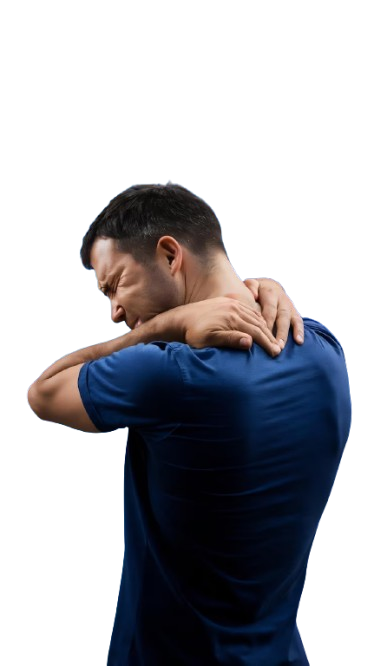
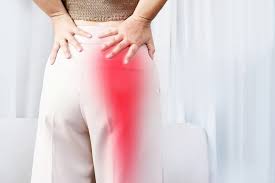
Sciatica is not a condition itself but a symptom of underlying nerve compression affecting the sciatic nerve, the largest nerve in the body. It typically causes radiating pain from the lower back through the buttock and down one leg. In severe cases, it may also result in numbness, tingling, or muscle weakness in the affected leg.
At Enliven Spinal Wellness Clinic, we offer the best sciatica treatment in Pune, focusing on accurate diagnosis, non-invasive techniques, and personalized care to relieve nerve pressure and restore function without surgery.
Types of Sciatica
Sciatica varies in presentation depending on the origin of nerve irritation and the spinal level involved. The main types include:
- Lumbar Radiculopathy: Most common type, often due to disc herniation in the lower spine.
- Bilateral Sciatica: Affects both legs simultaneously, though less common and usually indicative of more extensive disc involvement.
- Acute Sciatica: Sudden onset, often following lifting, twisting, or trauma.
- Chronic Sciatica: Persists for more than 3 months, may fluctuate in intensity and be associated with degenerative changes.
Sciatica is typically associated with nerve roots from L4, L5, and S1 levels, each with distinct referral patterns into the lower limb.
Common Causes of Sciatica
Sciatica occurs when there is compression or inflammation of the sciatic nerve roots in the lumbar spine. Common causes include:
- Herniated or Bulging Discs pressing on nerve roots
- Spinal Stenosis (narrowing of the spinal canal)
- Piriformis Syndrome, where the piriformis muscle compresses the sciatic nerve
- Degenerative Disc Disease
- Spondylolisthesis, a forward slip of a vertebra
- Postural dysfunction and prolonged sitting
- Pelvic misalignment or poor biomechanics
Accurate diagnosis of the underlying cause is crucial to choosing the right treatment strategy.
Diagnosis at Enliven Spinal Wellness Clinic
At Enliven Spinal Wellness Clinic, we use a systematic and precise diagnostic protocol to ensure that the exact origin of sciatic pain is identified:
- Clinical Neurological Tests: Such as the Straight Leg Raise (SLR), slump test, and reflex testing to assess nerve tension and integrity.
- Posture and Gait Analysis: To detect mechanical stressors contributing to nerve compression.
- MRI and Imaging: To confirm disc involvement, spinal stenosis, or degenerative changes.
- Functional Strength and Flexibility Testing: To identify muscular imbalances and movement dysfunctions.
If required, we utilize advanced diagnostic imaging such as X-rays, MRI, or CT scans to assess spine alignment, disc health, and nerve compression. These tools help us accurately pinpoint the cause of your neck pain.
Benefits of Non-Surgical Sciatica Care
Seeking early non-invasive care for sciatica can significantly enhance recovery and avoid complications. Some of the key benefits of our conservative treatment include:
- Avoidance of surgery and its risks
- Improved spinal stability and core strength
- Reduced inflammation and faster pain relief
- Restoration of mobility and daily functioning
Our patients often report improved sleep, greater walking tolerance, and the ability to resume routine activities without pain.
Our Approach to Sciatica Treatment in pune
We provide the best sciatica treatment in Pune through a multidisciplinary, non-surgical framework. Our aim is to reduce nerve compression, ease inflammation, and strengthen the spine and surrounding musculature for long-term relief.
EMRT is a cutting-edge modality that helps accelerate tissue healing and reduces inflammation in nerve-affected areas. It promotes cellular regeneration and improves circulation.
This therapy gently relieves pressure from the lumbar discs and nerve roots by creating space between vertebrae. It helps rehydrate and reposition herniated discs, reducing nerve impingement and associated leg pain.
We implement personalized exercise programs that target core stabilization, pelvic alignment, and lumbar flexibility. These programs are designed to gradually improve function and reduce sciatic irritation.
Abnormal walking patterns can place excess stress on the lower spine and hips. Gait training helps redistribute loads evenly across the musculoskeletal system.
Poor posture and incorrect sitting or lifting habits are often root contributors to sciatica. We correct these patterns through education and guided ergonomic practices to prevent recurrence.