Fractures
Fracture Rehabilitation Without Surgery in Pune
Fractures, or broken bones, are a common musculoskeletal injury that can result from trauma, falls, repetitive stress, or underlying bone weakness. While some fractures require surgical intervention, many stable or minor fractures can heal effectively with conservative care and structured rehabilitation. At Enliven Spinal Wellness Clinic, we specialize in fracture rehabilitation without surgery in Pune, helping patients recover mobility, strength, and confidence safely and naturally.
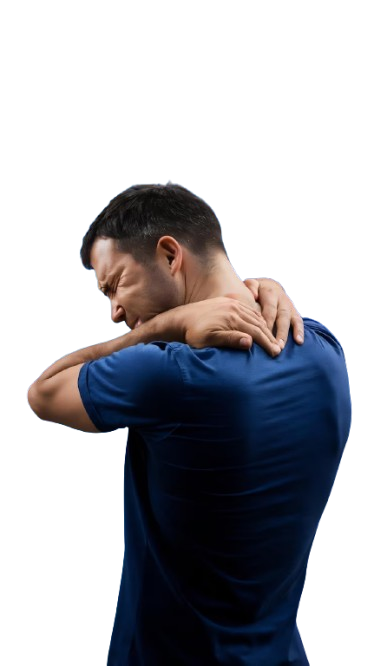
It may be acute (lasting a few days to weeks), subacute (lasting up to three months), or chronic (persisting beyond three months). Common diagnoses include mechanical neck pain, cervical radiculopathy, and whiplash-associated disorders.
Types of Fractures We Treat
Fractures vary based on the bone involved, severity, and pattern of break. At our clinic, we manage a wide range of non-surgical fractures, including:
- Stress Fractures: Small cracks in bones due to repetitive strain, often seen in runners or athletes.
- Vertebral Compression Fractures: Common in the spine, especially among osteoporotic patients, causingback painand posture issues.
- Hairline Fractures: Thin, incomplete breaks in bones typically caused by overuse or minor trauma.
- Stable Closed Fractures: Fractures where bone alignment is intact and does not require surgical fixation.
- Upper and Lower Limb Fractures: Such as those affecting the wrist, clavicle, ribs, or foot that can be managed conservatively.
Each type of fracture presents unique challenges and recovery timelines, which we address through individualized care plans.
Common Causes of Fractures
Fractures can result from a combination of external forces and internal weaknesses. Common causes include:
- Direct trauma or falls
- Sports injuries or collisions
- Repetitive stress (e.g., running, jumping)
- Osteoporosis or bone density loss
- Accidents involving sudden twisting or impact
- Poor nutrition or chronic steroid use leading to brittle bones
Our team at Enliven focuses not only on healing the fracture but also identifying and correcting contributing factors to reduce the risk of recurrence.
Diagnosis at Enliven Spinal Wellness Clinic
Accurate diagnosis is crucial to determining whether a fracture can be treated conservatively or requires orthopedic intervention. At our clinic, we follow a comprehensive diagnostic protocol:
- Physical Assessment: Evaluation of swelling, tenderness, movement limitation, and deformity.
- Imaging: Standard X-rays help visualize bone structure and fracture lines, while CT or MRI scans are used for complex or spinal fractures to assess soft tissue and bone integrity.
- Postural and Gait Analysis: Especially in vertebral or lower limb fractures, to detect compensation and biomechanical stress.
Our goal is to ensure that the fracture is stable, healing is progressing, and rehabilitation is safe to proceed.
Benefits of Non-Surgical Fracture Management
Conservative fracture rehabilitation, when appropriate, offers several key advantages:
- Avoids surgical complications and hospital stay
- Promotes natural bone healing and remodeling
- Enhances functional recovery through tailored physiotherapy
- Supports long-term joint and spine health
- Cost-effective and convenient
We also work with individuals who have chronic neck conditions or post-surgical stiffness and are looking for a conservative rehabilitation path.
Our Approach to Fracture Rehabilitation
We offer expert-guided, non-invasive fracture rehabilitation without surgery in Pune, tailored to the location and severity of the fracture as well as the patient’s age, lifestyle, and recovery goals.
EMRT is a non-invasive treatment that enhances cell regeneration and bone remodeling by improving circulation and stimulating osteoblast activity. It is particularly beneficial for osteoporotic or delayed-healing fractures.
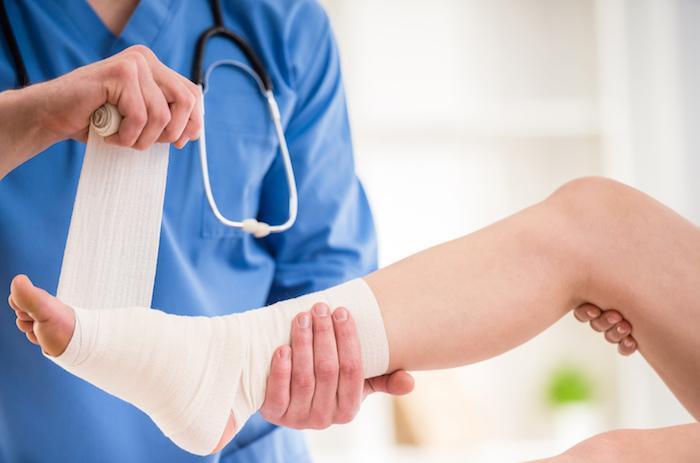
We begin with bracing, splinting, or external support to stabilize the affected area, allowing natural healing while preventing further damage. Our protocols ensure optimal healing alignment.
Once initial healing is underway, our therapists guide patients through controlled movement exercises to prevent joint stiffness and muscle wasting. We progress gradually from passive to active range of motion.
Muscle weakness and imbalance are common after immobilization. We focus on targeted strengthening, core stability, and gradual weight-bearing to ensure smooth return to daily function.
In spinal and lower limb fractures, improper posture or gait can prolong recovery. We correct mechanical dysfunctions through manual therapy and neuromuscular retraining.
Bone healing is influenced by diet and lifestyle. We provide guidance on calcium, vitamin D, and other nutritional support for optimal recovery.